

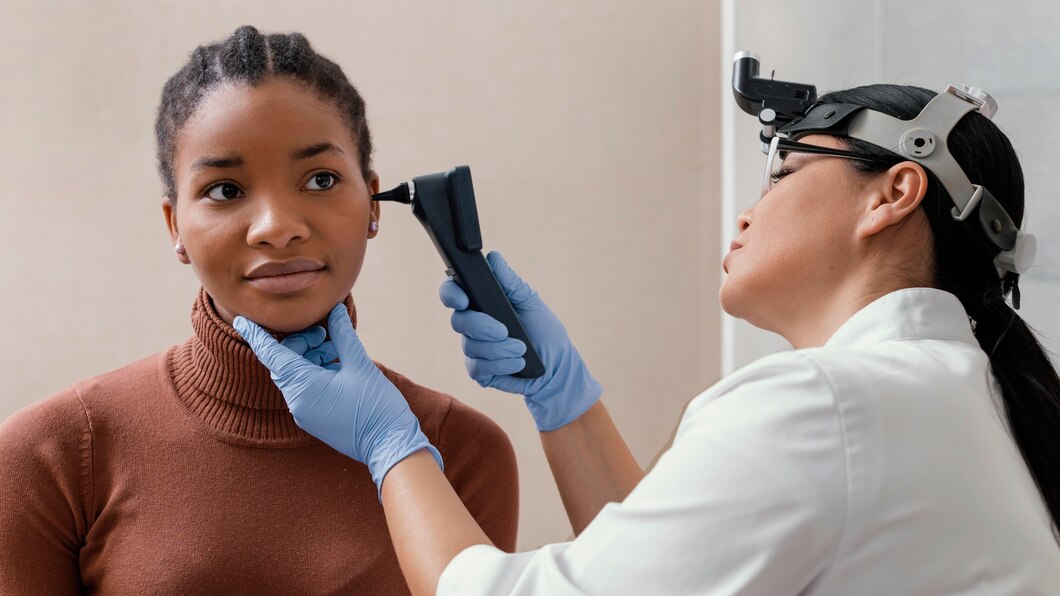
Otoplasty Surgery: Turkey has solidified its reputation as a global leader in medical tourism, offering state-of-the-art procedures at affordable costs. One of the most sought-after cosmetic surgeries in Turkey is otoplasty, or ear surgery. This transformative procedure reshapes the ears for both aesthetic and functional purposes. Patients from Kenya, Ghana, Uganda, Tanzania, and Nigeria frequently choose Turkey for otoplasty due to its high-quality care and exceptional results. This comprehensive guide explores why Turkey is an ideal destination for otoplasty and provides answers to frequently asked questions to help you make an informed decision.
What is Otoplasty?
Otoplasty, commonly referred to as ear surgery, is a cosmetic or reconstructive procedure that modifies the size, shape, or position of the ears. It is often performed to correct prominent ears, reshape asymmetrical ears, or address deformities caused by injury or congenital conditions. The surgery is highly customizable, ensuring results tailored to the patient’s specific needs and aesthetic goals.
1. Expert Surgeons
Turkey is home to world-class surgeons specializing in otoplasty. These professionals have years of experience and are trained in the latest techniques, ensuring precise and natural-looking results. Many Turkish surgeons have international certifications and extensive training, making them leaders in their field.
2. Advanced Technology
Turkish clinics and hospitals are equipped with cutting-edge technology, enabling surgeons to perform otoplasty with high precision. From 3D imaging for surgical planning to minimally invasive techniques, the technology ensures a seamless patient experience and optimal results.
3. Affordable Pricing
The cost of otoplasty in Turkey is significantly lower than in Western countries. Patients can save up to 60% on their procedures without compromising on quality. This affordability makes Turkey a top choice for medical tourists seeking value for their money.
4. Comprehensive Medical Tourism Packages
Medical tourism agencies, such as MedAfro, offer tailored packages for international patients. These packages often include:
- Pre-surgery consultations
- Surgery and post-operative care
- Luxury accommodation
- Airport transfers
- Translation services
5. Scenic Recovery Environment
Recovering from otoplasty in Turkey is a unique experience. Patients can enjoy the country’s stunning landscapes, rich culture, and historical landmarks while they heal, turning their medical journey into a memorable vacation.
The Otoplasty Procedure Explained
1. Consultation and Planning
- The surgeon evaluates the patient’s ear structure and discusses their goals.
- Advanced imaging techniques may be used to create a 3D model of the desired results.
- A customized surgical plan is developed, addressing both aesthetic and functional concerns.
2. Surgery
- Otoplasty is typically performed under local anesthesia with sedation or general anesthesia, depending on the complexity of the case.
- The surgeon makes precise incisions behind the ear or in natural folds to minimize visible scarring.
- Excess cartilage and skin are removed or reshaped to achieve the desired appearance.
- The ears are repositioned closer to the head if necessary.
3. Recovery
- Patients can usually return home on the same day as the surgery.
- A protective bandage is applied to support the ears during healing.
- Swelling and discomfort are common but subside within a few days.
- Most patients resume normal activities within a week, while full healing may take several weeks.
Frequently Asked Questions About Otoplasty
1. What is Otoplasty?
Otoplasty is a surgical procedure that reshapes or repositions the ears for aesthetic or functional purposes. It is commonly used to correct prominent or asymmetrical ears.
2. Who is a Good Candidate for Otoplasty?
Good candidates include individuals with prominent ears, asymmetry, or deformities. The procedure is suitable for children over the age of 5 and adults in good health.
3. How Long Does the Surgery Take?
Otoplasty typically takes 1-2 hours, depending on the complexity of the case and the specific corrections required.
4. Is Otoplasty Painful?
The procedure itself is not painful as it is performed under anesthesia. Post-operative discomfort is minimal and can be managed with prescribed pain relievers.
5. How Long is the Recovery Period?
Most patients recover within 1-2 weeks. Swelling and bruising diminish within a few days, and normal activities can be resumed shortly after.
6. Are the Results Permanent?
Yes, the results of otoplasty are typically permanent. Once healed, the changes to the ear structure are long-lasting.
7. Will There Be Visible Scars?
Surgeons make incisions in inconspicuous areas, such as behind the ear or in natural folds, ensuring minimal visible scarring.
8. Can Otoplasty Correct Both Ears?
Yes, otoplasty can be performed on one or both ears, depending on the patient’s needs and goals.
9. What Are the Risks of Otoplasty?
Risks are minimal but may include infection, bleeding, or slight asymmetry. Choosing an experienced surgeon reduces these risks.
10. Is Otoplasty Suitable for Children?
Yes, otoplasty is commonly performed on children as young as 5 years old, when the ears have reached their full size.
11. What Anesthesia is Used for Otoplasty?
Local anesthesia with sedation or general anesthesia is used, depending on the patient’s age and the complexity of the procedure.
12. Can Otoplasty Improve Hearing?
Otoplasty is primarily a cosmetic procedure and does not affect hearing. However, it can address deformities that might impact ear function.
13. What is the Cost of Otoplasty in Turkey?
The cost varies but is generally 50-60% lower than in Western countries, making it an affordable option for high-quality care.
14. How Soon Can I Return to Work or School?
Most patients can return to work or school within a week, provided they avoid strenuous activities.
15. What Should I Avoid During Recovery?
Avoid sleeping on your side, strenuous activities, and exposing the ears to direct sunlight for at least two weeks.
16. Can Otoplasty Be Combined with Other Procedures?
Yes, otoplasty can be combined with other facial surgeries, such as rhinoplasty or facelifts, for a comprehensive aesthetic transformation.
17. How Can I Prepare for Otoplasty?
Follow your surgeon’s instructions, which may include avoiding certain medications, fasting before surgery, and arranging for transportation.
18. Will I Need Follow-Up Appointments?
Yes, follow-ups are essential to monitor healing and ensure optimal results. Your surgeon will schedule these as needed.
19. How Can I Minimize Swelling After Surgery?
Keep your head elevated, apply cold compresses as directed, and avoid activities that increase blood pressure.
20. What is the Role of Cartilage in Otoplasty?
Cartilage is reshaped or repositioned during otoplasty to create the desired ear shape and position. This step is crucial for achieving natural-looking results.
21. Are There Non-Surgical Alternatives to Otoplasty?
For mild cases, non-surgical techniques like ear molding or splinting may be effective, especially in infants. However, surgery remains the most reliable option for significant corrections.
22. Can I Sleep Normally After Otoplasty?
You should avoid sleeping on your side for the first few weeks to protect the surgical site. Sleeping on your back with your head elevated is recommended.
23. What Happens If I Am Not Satisfied with the Results?
Reputable surgeons offer revision surgeries to address any concerns and ensure patient satisfaction.
24. How Do I Choose the Right Surgeon?
Look for board-certified plastic surgeons with extensive experience in otoplasty. Reading reviews and viewing before-and-after photos can help you make an informed choice.
25. Can Otoplasty Address Congenital Ear Deformities?
Yes, otoplasty is an effective solution for correcting congenital ear deformities such as microtia (underdeveloped ears) or lop ear. The surgery restores a natural appearance and improves self-confidence.
26. What Is the Ideal Age for Otoplasty?
The ideal age for otoplasty is typically 5 years and older, as the ears have reached their full size by this age. Performing the surgery early can help children avoid potential teasing or bullying.
27. Can Otoplasty Fix Ears Damaged by Trauma?
Yes, otoplasty can repair ears damaged by accidents, burns, or other traumatic injuries. Surgeons use reconstructive techniques to restore the ear’s shape and symmetry.
28. How Long Does It Take to See Final Results?
While initial results are visible immediately after surgery, full results can take several weeks to months as swelling subsides and the ears settle into their new position.
29. Are the Results of Otoplasty Customizable?
Yes, otoplasty is highly customizable. Surgeons work closely with patients to achieve results that align with their unique aesthetic goals and anatomical needs.
30. What Are the Signs of a Successful Otoplasty?
A successful otoplasty results in ears that are symmetrical, naturally shaped, and proportionate to the patient’s facial features. Additionally, minimal scarring and a smooth recovery indicate a well-executed procedure.
31. What Should I Avoid Before Surgery?
Avoid smoking, alcohol, and blood-thinning medications for at least two weeks before surgery. These substances can interfere with healing and increase the risk of complications.
32. Can I Wear Glasses After Otoplasty?
Patients are advised to avoid wearing glasses for at least two weeks post-surgery to prevent pressure on the healing ears. Contact lenses are a suitable alternative during this time.
33. How Do I Protect My Ears After Surgery?
Wear a protective headband as instructed by your surgeon to keep the ears in place during healing. Avoid activities that may cause trauma to the ears.
34. What Is the Role of Cartilage in Otoplasty?
Cartilage is reshaped or repositioned during otoplasty to achieve the desired ear shape and position. The surgeon’s skill in manipulating cartilage is crucial for natural-looking results.
35. Are There Any Dietary Restrictions During Recovery?
While there are no specific dietary restrictions, a balanced diet rich in protein, vitamins, and minerals promotes faster healing and overall recovery.
36. Can Otoplasty Improve Ear Function?
While otoplasty is primarily a cosmetic procedure, reconstructive techniques can improve ear function in cases of congenital deformities or trauma.
37. Is Revision Surgery Common?
Revision surgery is uncommon but may be performed if the initial results are unsatisfactory or if complications arise. Choosing a skilled surgeon reduces the likelihood of needing revisions.
38. How Can I Minimize Scarring?
Follow your surgeon’s post-operative care instructions, including applying prescribed creams and avoiding direct sunlight on the incision sites.
39. Are There Non-Surgical Alternatives to Otoplasty?
For minor ear issues, non-surgical methods like ear molding or splints may be effective, especially in infants. However, surgery remains the best option for significant corrections.
40. Can I Travel After Otoplasty?
Most patients can travel within a week after surgery, provided they avoid activities that strain the ears. International patients often plan their recovery period to enjoy Turkey’s cultural and scenic offerings.
41. How Do I Manage Post-Surgical Pain?
Pain after otoplasty is generally mild and can be managed with over-the-counter or prescribed pain medications. Discomfort typically subsides within a few days.
42. Can Otoplasty Be Combined with Other Facial Procedures?
Yes, otoplasty can be combined with procedures like rhinoplasty or facelifts for a comprehensive facial enhancement. Combining procedures can reduce overall downtime.
43. What Should I Do If My Ears Feel Numb After Surgery?
Temporary numbness is common after otoplasty and usually resolves as the nerves heal. Consult your surgeon if numbness persists for an extended period.
44. Are There Any Risks Associated with Otoplasty?
Risks are minimal but may include infection, asymmetry, or changes in skin sensation. Choosing an experienced surgeon significantly reduces these risks.
45. Can Otoplasty Correct Ear Lobe Issues?
Yes, otoplasty can address earlobe deformities such as stretched or torn lobes. This is often combined with other ear reshaping techniques.
46. What Is the Recovery Timeline for Children?
Children typically recover faster than adults, with most resuming normal activities within a week. Follow-up appointments are crucial to monitor healing.
47. How Long Should I Wear a Headband Post-Surgery?
A headband is typically worn for 1-2 weeks during the day and night, followed by nighttime use for an additional few weeks, as directed by your surgeon.
48. Can Otoplasty Be Covered by Insurance?
Insurance may cover otoplasty if it is performed to correct congenital deformities or functional impairments. Cosmetic otoplasty is usually not covered.
49. What Are the Signs of Infection After Otoplasty?
Signs include redness, swelling, warmth, or discharge at the surgical site. Contact your surgeon immediately if you suspect an infection.
50. How Do I Choose the Right Clinic in Turkey?
Research clinics with board-certified surgeons, positive patient reviews, and a track record of successful otoplasty procedures. Clinics offering comprehensive care packages are an added advantage.
51. What Should I Expect During a Consultation?
During the consultation, your surgeon will examine your ears, discuss your aesthetic goals, and explain the surgical procedure in detail. This is also an opportunity to ask questions and address any concerns.
52. Can I See a Preview of the Results?
Many clinics in Turkey use advanced imaging technologies, such as 3D modeling, to provide a visual preview of the expected results. This helps patients make informed decisions and set realistic expectations.
53. How Soon Can I Resume Physical Activities?
Light activities can usually be resumed within a week, but strenuous exercises, such as running or lifting weights, should be avoided for at least 4-6 weeks to prevent complications.
54. What Type of Headband Should I Use Post-Surgery?
A soft, comfortable headband that applies gentle pressure is ideal. Your surgeon will recommend specific types and provide guidelines on how long to wear it.
55. Can I Shower After Otoplasty?
You can shower within 2-3 days post-surgery, but avoid getting the surgical area wet until your surgeon approves. Use caution when washing your hair and follow all aftercare instructions.
56. What Are the Signs of Proper Healing?
Proper healing includes reduced swelling and bruising over time, minimal discomfort, and no signs of infection. Regular follow-ups with your surgeon will ensure the recovery is on track.
57. Can Otoplasty Correct Uneven Ears?
Yes, otoplasty is highly effective for correcting uneven or asymmetrical ears, providing a balanced and natural look.
58. What Should I Avoid During the Recovery Period?
Avoid sleeping on your side, exposing your ears to direct sunlight, and engaging in activities that could strain or impact the ears during the first few weeks.
59. How Long Does the Swelling Last?
Swelling typically subsides within 1-2 weeks, but minor residual swelling may take up to a few months to completely disappear.
60. What Should I Look for in a Surgeon?
Look for a board-certified plastic surgeon with extensive experience in otoplasty. Review their before-and-after photos, read patient testimonials, and ensure they communicate clearly and address all your questions.
