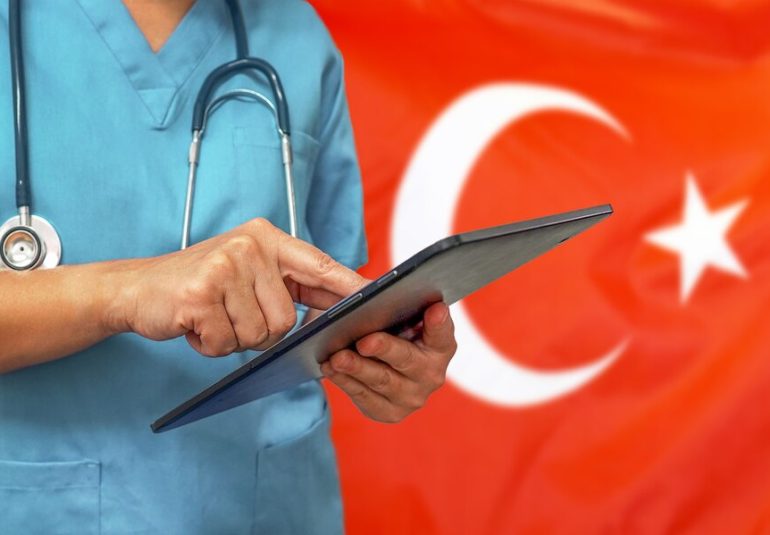



Visa and Travel Information for African Patients Seeking Medical Care in Turkey
Medical tourism to Turkey is gaining popularity among African patients due to the country’s high-quality healthcare services, advanced medical technologies, and affordable treatment costs. However, navigating the visa and travel process can be complex. This comprehensive guide provides essential information to help African patients prepare for their medical journey to Turkey, covering visa requirements, travel arrangements, and tips for a smooth and successful trip.
1. Understanding Visa Requirements for African Patients
Visa Types for Medical Travel
Turkey offers several visa options for African patients seeking medical care:
- Medical Visa: Specifically designed for patients traveling for medical treatment, this visa requires a letter from the Turkish medical facility confirming the treatment.
- Tourist Visa: For patients combining medical treatment with tourism, a standard tourist visa may suffice.
- E-Visa: Citizens of certain African countries can apply for an e-Visa online, simplifying the process.
- Sticker Visa: For countries not eligible for an e-Visa, patients must apply for a sticker visa at the Turkish consulate or embassy.
General Visa Application Requirements
To apply for a visa, patients generally need to provide the following documents:
- Valid Passport: Ensure your passport is valid for at least six months beyond your planned stay.
- Visa Application Form: Complete the application form accurately and legibly.
- Passport Photos: Recent passport-sized photos that meet specific requirements.
- Proof of Medical Treatment: A letter from the Turkish hospital or clinic detailing the treatment plan.
- Travel Itinerary: Details of your flight bookings and accommodation in Turkey.
- Financial Proof: Evidence of sufficient funds to cover your stay and treatment costs.
- Travel Insurance: Comprehensive travel insurance that covers medical expenses and emergencies.
Additional Requirements by Country
Visa requirements can vary by country, so it’s essential to check the specific requirements for your nationality. Visit the Turkish Ministry of Foreign Affairs website or contact the nearest Turkish consulate or embassy for detailed information.
2. Step-by-Step Guide to the Visa Application Process
Step 1: Choose the Appropriate Visa Type
Determine the type of visa you need based on the purpose of your visit. If traveling for medical treatment, obtain a medical visa or consider if a tourist visa is suitable.
Step 2: Gather Required Documents
Collect all necessary documents, ensuring they meet the specific requirements of the Turkish authorities. This includes your passport, photos, proof of medical treatment, travel itinerary, financial proof, and travel insurance.
Step 3: Complete the Visa Application Form
Fill out the visa application form accurately. For e-Visas, complete the online application form on the official e-Visa website. For sticker visas, obtain the form from the Turkish consulate or embassy.
Step 4: Submit Your Application
Submit your application along with the required documents. For e-Visas, submit online and pay the application fee. For sticker visas, visit the Turkish consulate or embassy in person.
Step 5: Attend an Interview (if required)
Some applicants may be required to attend an interview at the Turkish consulate or embassy. Prepare for the interview by reviewing your application and being ready to discuss your travel plans and medical treatment.
Step 6: Wait for Visa Processing
Visa processing times can vary, so apply well in advance of your planned travel date. E-Visas are usually processed within a few days, while sticker visas may take longer.
Step 7: Receive Your Visa
Once approved, you will receive your visa. For e-Visas, download and print the visa document. For sticker visas, your passport will be returned with the visa attached.
3. Travel Arrangements for Your Medical Trip
Booking Flights to Turkey
When booking flights, consider the following:
- Direct Flights: Check for direct flights from your country to major Turkish cities like Istanbul, Ankara, or Izmir. Direct flights are more convenient and reduce travel time.
- Layover Options: If direct flights are not available, choose layover options with reputable airlines and shorter layover times.
- Medical Assistance: Some airlines offer special assistance for medical travelers. Inform the airline of your needs when booking your ticket.
Arranging Accommodation
Choose accommodation that meets your needs during your stay:
- Proximity to Hospital: Select accommodation close to the medical facility to minimize travel time.
- Comfort and Accessibility: Ensure the accommodation is comfortable, accessible, and provides necessary amenities for your recovery.
- Package Deals: Some hospitals offer package deals that include accommodation. Inquire about these options when arranging your treatment.
Transportation within Turkey
Plan your transportation within Turkey:
- Airport Transfers: Arrange for airport transfers to and from your accommodation. Many hospitals offer this service for international patients.
- Local Transportation: Familiarize yourself with local transportation options such as taxis, public transport, or rental cars. Choose reliable and safe options for travel.
4. Preparing for Your Medical Trip
Pre-Travel Medical Consultation
Before traveling, consult with your local doctor:
- Medical Records: Obtain copies of your medical records, including test results, diagnoses, and treatment history.
- Medications: Bring an adequate supply of your regular medications, along with prescriptions.
- Travel Clearance: Ensure your doctor approves of your travel plans, especially if you have a medical condition.
Packing Essentials
Pack essential items for your trip:
- Travel Documents: Passport, visa, travel insurance, and medical records.
- Medications and Prescriptions: Regular medications and any necessary prescriptions.
- Comfortable Clothing: Loose, comfortable clothing suitable for recovery.
- Personal Items: Toiletries, entertainment devices, and other personal necessities.
Financial Preparation
Prepare financially for your trip:
- Treatment Costs: Understand the full cost of your medical treatment and any additional expenses.
- Payment Methods: Check accepted payment methods at the hospital (credit card, bank transfer, cash).
- Emergency Funds: Have access to emergency funds in case of unexpected expenses.
5. Navigating Your Stay in Turkey
Cultural Sensitivity and Etiquette
Understanding Turkish culture can enhance your experience:
- Hospitality: Turkish people are known for their hospitality and friendliness. Be polite and respectful.
- Language: While many medical staff speak English, learning basic Turkish phrases can be helpful.
- Religion: Respect local religious practices, especially during prayer times and in religious areas.
Staying Connected
Stay connected with family and friends:
- Mobile Phone: Ensure your mobile phone works in Turkey. Consider buying a local SIM card for better connectivity.
- Internet Access: Most hotels and hospitals offer Wi-Fi. Confirm availability and any associated costs.
Health and Safety
Ensure your health and safety during your stay:
- Emergency Contacts: Keep a list of emergency contacts, including the hospital, your doctor, and the nearest consulate.
6. Post-Treatment Care and Follow-Up
Post-Treatment Recovery
After your treatment, follow your doctor’s instructions for recovery:
- Follow-Up Appointments: Schedule and attend any necessary follow-up appointments.
- Rehabilitation Services: Utilize any offered rehabilitation services to aid in your recovery.
- Rest and Recuperation: Ensure you have ample time for rest and recuperation before traveling back home.
Coordinating with Your Local Doctor
Coordinate with your local doctor for continued care:
- Medical Reports: Obtain detailed medical reports from the Turkish hospital to share with your local doctor.
- Treatment Plan: Follow the treatment plan provided by your Turkish doctor and communicate any concerns to your local doctor.
Travel Arrangements for Return
Plan your return travel:
- Medical Clearance: Ensure you have medical clearance to travel from your doctor.
- Comfortable Travel: Arrange for a comfortable and safe journey back home.
- Support on Arrival: Inform family or friends of your arrival time so they can assist you upon your return.
7. Frequently Asked Questions
What should I do if my visa application is denied?
If your visa application is denied, you can:
- Review Reasons: Review the reasons for denial provided by the consulate or embassy.
- Reapply: Address the issues and reapply with additional supporting documents.
- Seek Assistance: Consult with a visa consultant or the hospital’s international patient department for guidance.
Can my family accompany me during my medical trip?
Yes, your family can accompany you:
- Visa Applications: Ensure each family member applies for the appropriate visa.
- Accommodation: Arrange suitable accommodation for your family members.
- Support: Family members can provide valuable support during your treatment and recovery.
How do I handle a medical emergency while in Turkey?
In case of a medical emergency:
- Contact Hospital: Immediately contact the hospital where you are receiving treatment.
- Emergency Numbers: Familiarize yourself with local emergency numbers (e.g., 112 for medical emergencies).
- Insurance: Contact your travel insurance provider for assistance and coverage details.
Conclusion
Traveling to Turkey for medical treatment involves careful planning and preparation, especially when it comes to visa and travel arrangements. By understanding the visa requirements, gathering necessary documents, and following a step-by-step application process, African patients can ensure a smooth journey. Additionally, making travel arrangements, preparing for the trip, and navigating the stay in Turkey are crucial steps to ensure a successful medical experience. By following the guidelines and tips provided in this comprehensive guide, African patients can confidently embark on their medical journey to Turkey, receiving high-quality care and returning home with improved health.
